""
Register
Log in
Wishlist
(0)
Shopping cart
(0)
You have no items in your shopping cart.
Canadian Dollar
US Dollar
Search
Menu
Home Page
Products
Wine Cabinets
EuroCave Wine Cabinets
EuroCave Professional Series
EuroCave Inspiration Wine Cabinets
EuroCave Pure Wine Cellars
EuroCave Revelation Wine Cellar
EuroCave Compact, Built-In or Free -Standing Cabinets
EuroCave LA PREMIERE Wine Storage Cabinets
EuroCave Royale Series
Eurocave Divine Champagne Cabinets
Eurocave Humidor
ARTEVINO BY EUROCAVE
Wine by the Glass Dispenser from Eurocave
EuroCave Filters, Shelving, Humidity, Humidor
Wine Cell'R Temperature Control Wine Cabinets
Private Reserve Label Forward Wine Cabinet Collections
Vinotemp Sonoma Series
Vinotemp Reserve Series
Butler Series Wine Cabinets, Vinotemp
KoolR Wine Cabinets
Cavavin VINOA And CLASSIKA, Wine Cabinets Collection
Dometic DrawBar 5
Dometic MoBar - Outdoor Mobile Bar Series
Wine Cellar Cooling Units
WhisperKOOL Wine Cellar Cooling Systems
Through to The Wall Self Contained Wine Cellar Cooling Unit Systems by WhisperKool
WhisperKool SC PRO Wine Cellar cooling system
WhisperKool Extreme Series wine cellar cooling units, Through to The Wall.
WhisperKOOL Slimline Self Contained Wine Cellar Cooling Units
Fully Ducted and Ductless Systems Wine Cellar WhisperKool Cooling Units
Ductless - Ceiling Mount Split Wine Cellar Cooling Units by WhisperKool
Ductless - Wall Mount Split Platinum Wine Cellar Cooling Units by WhisperKool
Fully Ducted, Platinum Split by WhisperKool
Fully Ducted, Quantum Split System Wine Cellar Cooling Units by WhisperKool
Fully Ducted tiR Wine Cellar Cooling Unit by WhisperKool
Fully Ducted - Phantom Self Contained Wine Cellar Cooling Units by WhisperKool
Wine Guardian® Wine Cellar Cooling Systems
TTW, Wine Guardian Through the Wall Cooling Unit
Wine Guardian Ducted Cooling Units
Wine Guardian Ducted Air Cooled Self‐Contained Cooling Units
Wine Guardian Ducted Cooling Units Water Cooled
Wine Guardian Ducted Split Wine Cellar Cooling Units
Wine Guardian Ductless Split Wine Cellar Cooling Units
Wine-R Wine Cellar Air Conditioner
Fully Ducted and Ductless Wine Cellar Cooling Units
Wine-Mate Self-Contained Wine Cellar Cooling Units
CD SERIES COOLING SYSTEMS
HTD SERIES COOLING SYSTEMS
HZD SERIES COOLING SYSTEM
KoolR Wine Cellar Cooling Systems
Through The Wall Self-Contained Wine Cooling Systems
Wine Racks
Evolution Wine Racking System
Evolution Wine Wine Rack COMPONENTS
Evolution Series Wall Mounted Wine Rack
All Heart California Redwood Wine Racks
VintageView Wall Mount Series Wine Racks
Vino Series Wine Racks
Vino-Pins peg system Wine Racks
Vino Series, Vino Rails Wine Racking System
Vino Rails and Vino Pins Post Kits Racking System
Vino Pins Flex Wine Racking system
Vino Rails Flex Wall Mounted Metal Wine Rack system
VintageView Floating Wine Racks
W Series, Frames and components racking system
Floating Wine Racks
EuroCave Modular Wine Racking Systems
Modulosteel - Wine Cellar modular and contemporary storage concept
Modulo-X Modular Metal Wine Racks by EuroCave
EuroCave Modulothèque Wine Racking System
EuroCave Modulorack - Wine Cellar storage system for your wine cases
Case & Crate Wine Bins & Lockers
Classic LVG, Premium Torrefied Wood Wine Racking System
Frontenac, Modular Wine Storage Racks
FLY • HORIZON - Wall mounted wine racks
Vintage View Helix Wine Rack System
Le Creuset Wine Tools
Corkscrews
Decanters & Enhancers
Final Touch Decanter Wine Enhancers
Eisch No Drop Effect Decanters
Glassware Collections
Eisch Sensis Plus Wine Glasses
Eisch, Sensis Plus SKY Collection
LUCARIS-Crystal of Modern Asia
Lucaris, Tokyo Temptation
Lucaris, The Pure and Simple Collection
Lucaris, Desire Collection
RITZENHOFF
Ritzenhoff Beer Glasses
Ritzenhoff Wine Glasses
Ritzenhoff Champagne and Prosecco glasses
Ritzenhoff , Whisky Glasses
Ritzenhoff Aperitif glasses
Ritzenhoff Brandy and Cocktail glasses
Whiskey / Scotch / Cognac
ice bag* - alternative to an ice bucket
Wine Carrier
Pulltex , Wine concepts
Pulltex, Cooler Pads
Pulltex, Pulltap's Corkscrews
Pulltex Corkscrew/ Thermometer/ Pomp
Pulltex Ice Buckets
Decanter Cleaning Tools
Coravin Wine Glass System
Wine Savers and Wine Preservers
Swissmar Epivac Wine Saver
Pulltex Wine Savers
Liquor Accessories
Wine Thermometers and Coasters
Wine Cellar Id Tags
Aromas, Le Nez du Vin, Coffee and Whisky
Le Nez du Vin
Le Nez du Café
Le Nez du Whisky
Gift Card
About us
Search
My account
Blog
Contact us
Welcome to Wine Cave, serving customers since 1999.
Featured Categories
Wine Cabinets
Wine Cellar Cooling Units
Wine Racks
EuroCave Wine Cabinets
Wine Cell'R Temperature Control Wine Cabinets
Private Reserve Label Forward Wine Cabinet Collections
Eurocave Divine Champagne Cabinets
Butler Series Wine Cabinets, Vinotemp
KoolR Wine Cabinets
Cavavin VINOA And CLASSIKA, Wine Cabinets Collection
Wine by the Glass Dispenser from Eurocave
Dometic DrawBar 5
Dometic MoBar - Outdoor Mobile Bar Series
All Heart California Redwood Wine Racks
VintageView Wall Mount Series Wine Racks
Vino Series Wine Racks
Floating Wine Racks
Evolution Series Wall Mounted Wine Rack
Modulosteel - Wine Cellar modular and contemporary storage concept
Case & Crate Wine Bins & Lockers
Vino Pins Flex Wine Racking system
Classic LVG, Premium Torrefied Wood Wine Racking System
Frontenac, Modular Wine Storage Racks
FLY • HORIZON - Wall mounted wine racks
Vintage View Helix Wine Rack System
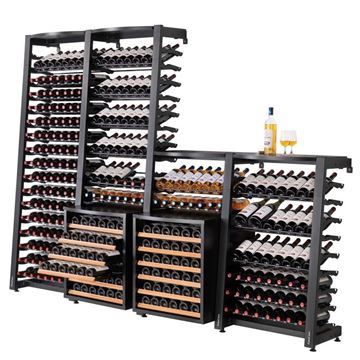
Modulo-X Modular Metal Wine Racks by EuroCave
Glassware Collections
ice bag* - alternative to an ice bucket
Le Nez du Vin
Le Nez du Café
Le Nez du Whisky
Pulltex , Wine concepts
Pulltex, Cooler Pads
Eisch No Drop Effect Decanters
Eisch Sensis Plus Wine Glasses
Eisch, Sensis Plus SKY Collection
LUCARIS-Crystal of Modern Asia
RITZENHOFF
Ritzenhoff Beer Glasses
Ritzenhoff Wine Glasses
Ritzenhoff Champagne and Prosecco glasses
Ritzenhoff , Whisky Glasses
Ritzenhoff Aperitif glasses
Ritzenhoff Brandy and Cocktail glasses
Pulltex, Pulltap's Corkscrews
Pulltex Wine Savers
Pulltex Corkscrew/ Thermometer/ Pomp
Pulltex Ice Buckets
Coravin Wine Glass System
Wine Savers and Wine Preservers
Aromas, Le Nez du Vin, Coffee and Whisky
Gift Card
Featured products
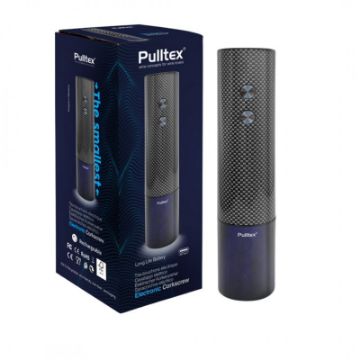
Pulltex Monza Edition Electric Corkscrew
A modern and elegant corkscrew that opens a bottle in seconds.
Quick View
$129.00
Buy Now
Add to compare list
Add to wishlist
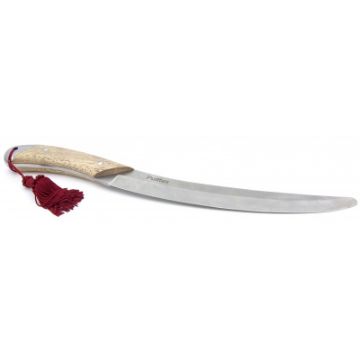
Pulltex Champagne Sabre
Open your bottles of Champagne with a sabre. Pulltex has created an original sword, specially designed for those opportunities.
Quick View
$325.00
Buy Now
Add to compare list
Add to wishlist
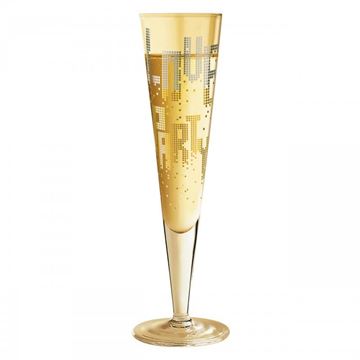
Champagne glass Champus Ritzenhoff - 1075002
This embellished champagne glass with precious gold will underline all your important moments with brilliance and elegance.
Quick View
$54.99
Buy Now
Add to compare list
Add to wishlist
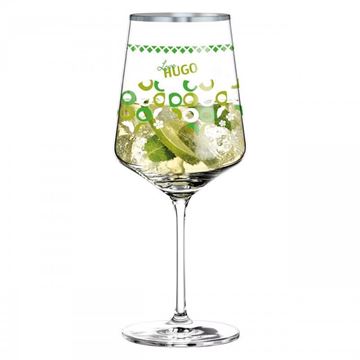
Aperitif glass Hugo R. Ritzenhoff - 2930010
Traditional, indispensable, this beer glass from the Weizen collection recreates the incomparable atmosphere of the German Biergartens.
Quick View
$49.98
Buy Now
Add to compare list
Add to wishlist
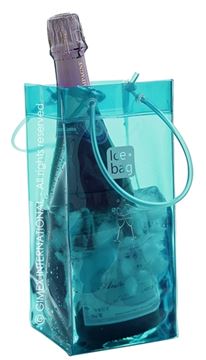
Ice Bag Blue Lagoon- 4204
Straight from France's trendiest bistros and patios, the Ice bag* This funky and smart alternative to the traditional ice bucket is lightweight,
Quick View
$14.95
Buy Now
Add to compare list
Add to wishlist
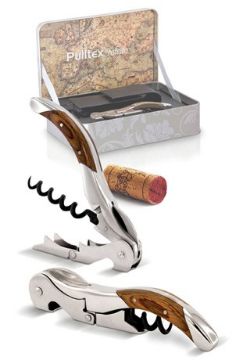
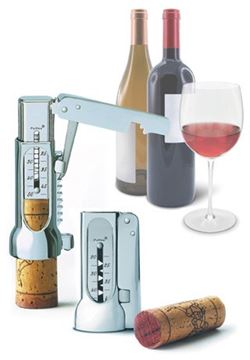
Pulltex Brucart Silver Corkscrew
107-711-00, The rack opening of the Brucart corkscrew is the most clever and original uncorking system. It allows to extract the cork without effort. La crémaillère du Tire-bouchon Brucart est un système très ingénieux et original.
Quick View
$174.00
Buy Now
Add to compare list
Add to wishlist
Pulltap’s Toledo Corkscrew
107-706-00, The Toledo corkscrew double lever has revolutionized the uncorking of the wine. Le double levier du Tire-bouchon Toledo a révolutionné le débouchage
Quick View
$109.00
Buy Now
Add to compare list
Add to wishlist
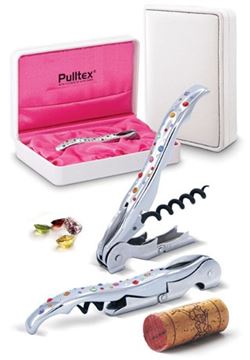
Pulltap's Crystal Rainbow Corkscrew "Swarovski"
107-778-00, The Pulltap's Classic Crystal corkscrew double lever has revolutionized the uncorking of the wine. Le double levier du Tire-bouchon Pulltap’s a révolutionné le débouchage.
Quick View
$109.99
Buy Now
Add to compare list
Add to wishlist
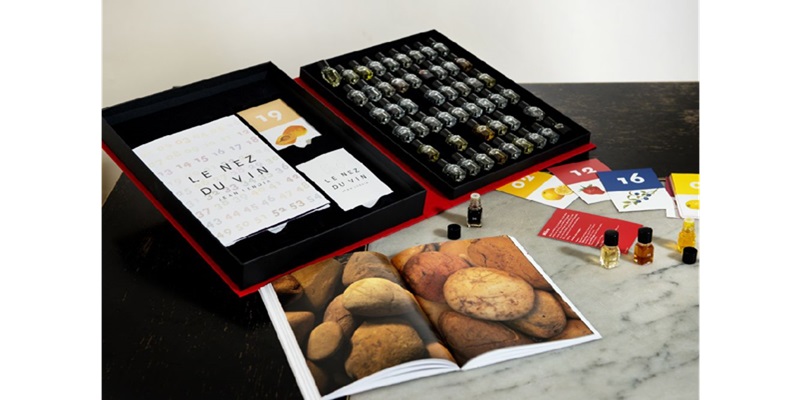
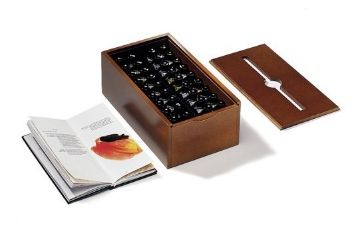
Le Nez du Vin, The Master kit 54 aromas
The reference work by Jean Lenoir for training your sense of smell. Set in a sophisticated red case, 54 superb quality aromas. Made in France.
Quick View
$599.99
Buy Now
Add to compare list
Add to wishlist
Le Nez Du Café - Revelation Kit 36 Coffee Aromas
THE REFERENCE TO DEVELOP YOUR SENSE OF SMELL BY JEAN LENOIR Le Nez du Vin is the perfect training tool for olfactory memory. It is within your reach. Take it out, sit, breathe the aromas...Available in English and French
Quick View
$499.99
Buy Now
Add to compare list
Add to wishlist
Le Nez du Whisky 54 arômes
54 aromas make up the DNA of this marvelous spirit, with floral, fruity, spicy, toasty, woodsy, vinous, phenolic, peaty and marine notes. Made in France.
Quick View
$599.99
Buy Now
Add to compare list
Add to wishlist
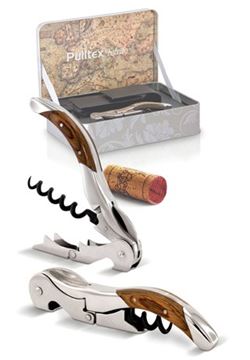
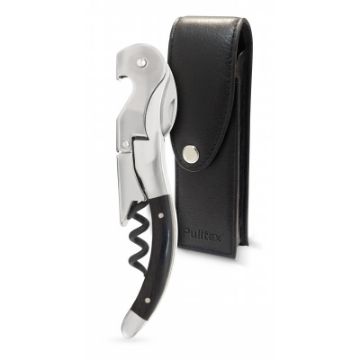
Pulltex, Cordoba Corkscrew with Horn Handle
Handmade, the Laguiole style Cordoba corkscrew has revolutionized the uncorking process
Quick View
$179.99
Buy Now
Add to compare list
Add to wishlist
Eisch Sensis Plus, Superior Burgundy Wine Glasses - Set Of 6
(500.11.S6) A wine poured into a breathable glass for just 2 to 4 minutes will show signs of aeration equivalent to the same wine that has been decanted and aerated for 1 to 2 hours. 24.oz Set Of 6
Quick View
$265.00
Buy Now
Add to compare list
Add to wishlist
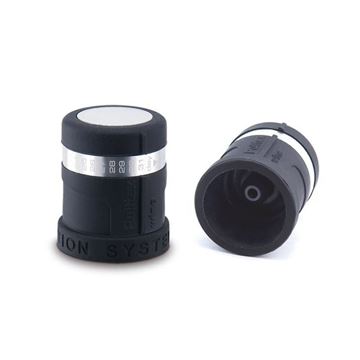
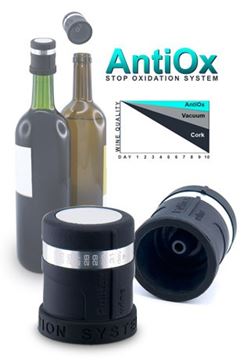
Pulltex, AntiOx Wine Saver
107-798-00, AntiOx Wine Saver provided with a device in its inner part including a patented revolutionary system of avoiding the oxidation of the wine inside the bottle.1/gift box.
Quick View
$34.95
Buy Now
Add to compare list
Add to wishlist
Pulltex, Silicone Champagne Stoppers (2pcs.)
107-792-00, Its patented inner shape, together with silicone natural adherence, produce a vacuum area within the bottle neck.
Quick View
$34.95
Buy Now
Add to compare list
Add to wishlist
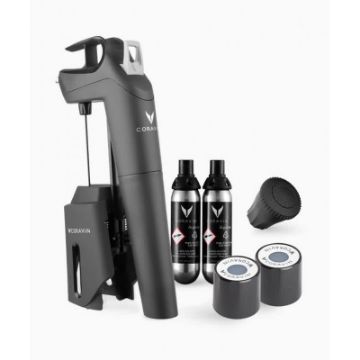
Coravin - Model Timeless Three +
Serve your favorite wines with the Coravin Timeless* Three wine preservation system.
Quick View
$312.98
Buy Now
Add to compare list
Add to wishlist
Coravin Timeless 3SL
Pour your favorite wines without pulling the cork with the Coravin Timeless Three Wine Preservation System.
Quick View
$254.98
Buy Now
Add to compare list
Add to wishlist
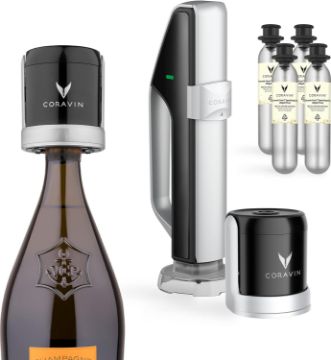
Coravin Sparkling
Coravin Sparkling is the sparkling wine preservation system that allows you to open a bottle one weekend, then finish it at brunch the next.
Quick View
$539.98
Buy Now
Add to compare list
Add to wishlist
Coravin Timeless Eleven
Timeless Eleven is the first automatic and connected Wine Preservation System.
Quick View
$712.98
Buy Now
Add to compare list
Add to wishlist
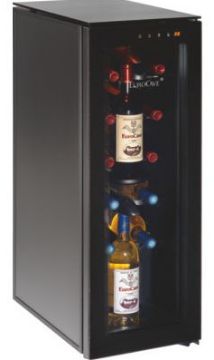
Eurocave Tete a Tete Cellar - Full Glass Door
Keep 10 bottles of wine at the perfect temperature for drinking while preserving two uncorked bottles of wine for up to 10 days.
Quick View
$2,999.00
Buy Now
Add to compare list
Add to wishlist
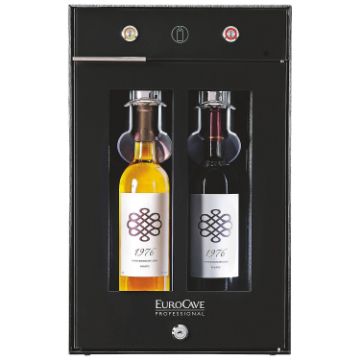
EuroCave Wine Bar "Wine Art" 2 Bottles
EuroCave Wine Bar "Wine Art" 2 Bottles, open that rare red you've been saving and enjoy it at its optimal flavor for days ahead. Product of France.
Quick View
$799.99
$735.85
Buy Now
Add to compare list
Add to wishlist
Wine Bar 2.0 - EuroCave Pro
The Eurocave WineBar allows you to serve wine by the glass at the table rather than a wine dispensing machine.
Quick View
$2,388.00
Buy Now
Add to compare list
Add to wishlist
Wine Cell'R 26 Bottles Two Zones Wine Cabinet
WC26SSTDZ6, Glass door stainless steel trim - seamless frame - Reversible door. compressor is Made in Spain, Embraco is one of the quietest on the market.
Quick View
$1,199.99
Buy Now
Add to compare list
Add to wishlist
Wine Cell'R 46 Bottles Single Zone Wine Cabinet
WC46SSTSZ6, equipped with new mesh shelves with stainless steel front and new ball bearing slides. offering flawless stability for your bottles. Made in Spain compressor, Embraco, is one of the quietest on the market.
Quick View
$1,679.99
Buy Now
Add to compare list
Add to wishlist
Wine Cell'R 38 Bottles Two Zones French Door Beverage Center
WC38SSTBC6, Wine Cell'R French Door. This unique 38-bottle cellar, also acts as a beverage center. Made in Spain compressor, Embraco, is one of the quietest on the market.
Quick View
$1,699.00
Buy Now
Add to compare list
Add to wishlist
Wine Cell'R 46 Bottles Two Zones Wine Cabinet
WC46SSTDZ6, This built-in wine cellar with full glass door can hold up to 46 bottles. With its double temperature zone and its made in Spain compressor, Embraco, one of the quietest on the market.
Quick View
$1,699.99
Buy Now
Add to compare list
Add to wishlist
Private Reserve 41-Bottle Backlit Panel Commercial 54 Single-Zone Wine Cooler
Vinotemp's Private Reserve Series 41-Bottle wine cooler has innovative features such as telescopic shelves, label forward wine bottle display, interior Backlit in three different colors, and LED side lighting to maximize your display capability.
Quick View
$2,998.00
Buy Now
Add to compare list
Add to wishlist
Wine Cell'R 46 Bottles Two Zones Wine Cabinet
WC46FGDZ6, New, 46 bottles, full glass door - reversible. dual zone Wine Cabinet. Made in Spain compressor, Embraco, is one of the quietest on the market.
Quick View
$1,579.00
Buy Now
Add to compare list
Add to wishlist
Cell’R 46 Bottles Two Zone Wine Cabinet
WC46SBDZ6. This built-in cellar with a finished black stainless steel frame can hold up to 46 bottles*. With its dual-zone and compressor, one of the quietest on the market.
Quick View
$1,699.00
Buy Now
Add to compare list
Add to wishlist
Eurocave Compact Wine Cabinet -36 Bottles, Single Zone
Black Casing with Glass Door, Under counter Single Temperature cabinet.56 bottles. Front venting for zero clearance on sides and top. Built-In or Free -Standing.
Quick View
$4,649.00
Buy Now
Add to compare list
Add to wishlist
Wine Cell'R 89 Bottles, Two Zones Wine Cabinet
WC94FGB6Wine Cell'R 89 Bottles, Two Zones, Full glass door - Not reversible. Right Hinge only.
Quick View
$2,699.00
Buy Now
Add to compare list
Add to wishlist
Wine Cell'R 181 Bottles Single Zone Wine Cabinet
WC181SSSZ6, with its elegant stainless steel door has the virtues of a cellar capacity of 181 bottles, while being discreet with its EMBRACO(made in Spain) compressor.
Quick View
$3,299.99
Buy Now
Add to compare list
Add to wishlist
EuroCave Compact Wine Cabinet -110 Bottles, Single Zone
EuroCave, V-259V3 PV FG, New treated inoxidizable steel , Single temperature zone with electronic regulation from 5°C to 20°C, Includes 14 sliding shelves. Built-In or Free -Standing.
Quick View
$7,299.00
Buy Now
Add to compare list
Add to wishlist
WineKoolR, Two Doors, Double Deep, EBONY
Hold up to 500 bottles, with 10% mix of half/split bottles, climate Controlled.
Quick View
$3,175.00
Buy Now
Add to compare list
Add to wishlist
EuroCave Pure L Wine Cellar - 182 Bottles
EuroCave Pure re-creates the natural deep French wine cellar climate ensuring consistent optimum storage temperature and relative humidity levels.
Quick View
$8,899.00
Buy Now
Add to compare list
Add to wishlist
182 Bottles, EuroCave Revelation - L Model
Recognized throughout the world as the gold standard in wine cellars, the new Revelation Wine Cellar from EuroCave is just that… a Revelation.
Quick View
$10,899.00
Buy Now
Add to compare list
Add to wishlist
Wine Cell'R 166 Bottles Two Zones Wine Cabinet
WC166SSDZ6, This unique 166-bottle* cellar with the modern and elegant look of a seamless stainless steel tempered glass door and side LED strips highlighting your finest bottles, this wine cellar will be the key design element in any room.
Quick View
$3,199.99
Buy Now
Add to compare list
Add to wishlist
Eurocave Premiere Series Wine Cabinets, Solid Door - EURO V-PRE2-L PP
(EURO PRE2-L PP) Black-Framed Solid Door Mode 14 Sliding Shelves.
Quick View
$6,449.00
Buy Now
Add to compare list
Add to wishlist
Wine Cell'R 194 Bottles Single Zone Wine Cabinet
WC194FGB6, This unique 194-bottle* cellar is the essential addition to any home.
Quick View
$3,599.99
Buy Now
Add to compare list
Add to wishlist
EuroCave Inspiration - Medium
EURO V-INSP-M, EuroCave Inspiration, Maturing Cabinet. The Premium pack comprises 9 sliding shelves allowing you to store 59 bottles.
Quick View
$9,399.00
Buy Now
Add to compare list
Add to wishlist
Wine Cell'R 388 Bottles Two Zones Wine Cabinets
WC194FGB6-2, This unique 388-bottles with the modern and elegant look of its full glass door, you will make your home a warm and welcoming meeting place.
Quick View
$7,199.00
Buy Now
Add to compare list
Add to wishlist
Private Reserve 141-Bottle Backlit Panel 168 Single-Zone Wine Cooler
Vinotemp's Private Reserve Series 141-Bottle wine cooler has innovative features such as telescopic shelves, label forward wine bottle display, interior Backlit in three different colors, and LED side lighting to maximize your display capability
Quick View
$5,599.00
Buy Now
Add to compare list
Add to wishlist
Dual-Zone, 300 bottles Wine Cabinet - EL-300TS
Vinotemp Dual-Zone Wine Cooler. Outfitted with 9 Ouzo™ sliding wire racks with black lip, this wine refrigerator can hold comfortably approximately 270-300 of your preferred choice of red, and white, wines with 2 separate cooling zones.
Quick View
$4,850.00
Buy Now
Add to compare list
Add to wishlist
Dometic DrawBar 5S - Compact 5 bottles Temperatures Controlled Wine Cooler
Dometic DrawBar 5S, Compact wine cooler, 5 bottles, panel ready door. The perfect finishing touch. Manufactured in Sweden.
Quick View
$2,298.00
Buy Now
Add to compare list
Add to wishlist
Dometic DrawBar 5C - Compact 5 bottles Temperatures Controlled Wine Cooler
Dometic DrawBar 5C, Compact wine cooler, 5 bottles, clear glass door. The perfect finishing touch. Manufactured in Sweden.
Quick View
$2,398.00
Buy Now
Add to compare list
Add to wishlist
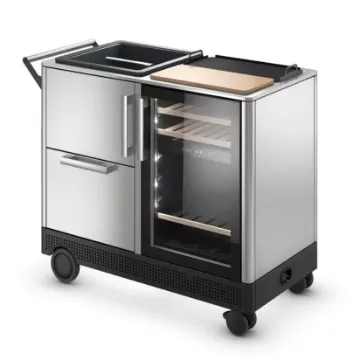
Dometic MoBar 550 S - Outdoor Mobile Bar, Dual Zone Beverage Center
The Dometic MoBar 550 S - Outdoor mobile bar, dual zone beverage center, is the ultimate mobile bar for your outdoor living space.
Quick View
$8,968.00
Buy Now
Add to compare list
Add to wishlist
Dometic MoBar 300 S - Outdoor Mobile Bar, Single Zone Beverage Center
The Dometic MoBar 300 S - Outdoor mobile bar, single zone beverage center, is the ultimate mobile bar for your outdoor living space.
Quick View
$5,983.00
Buy Now
Add to compare list
Add to wishlist
KoolR MAGNUM Wine Cellar Cooling Unit
KoolR MAGNUM 3000 BTU for the space up to 900 cu ft. Free shipping to all Canadian destinations.....
Quick View
$1,538.00
Buy Now
Add to compare list
Add to wishlist
Wine-R Wine Cellar Cooling Unit
Wine-R Wine Cellar Cooling Unit, cools up to 900 Cubic Feet. Two years Warranty. Made in Canada.
Quick View
$2,398.00
Buy Now
Add to compare list
Add to wishlist
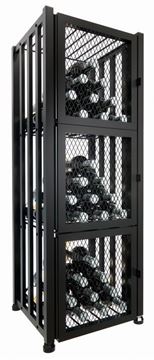
Case & Crate 2.0 Locker | 48-bottle metal wine storage system
The stylish Locker takes the appeal of the Bin with the added security of lockable doors. This contemporary and modular system allows homeowners to secure special vintages.
Quick View
$789.00
Buy Now
Add to compare list
Add to wishlist
Case & Crate 2.0 Locker Short | 48 bottle-192 bottle wine storage kit
The stylish Locker Kit, in short configuration, takes the appeal of the Bin with the added security of lockable doors. This contemporary and modular system allows homeowners to secure special vintages
Quick View
$865.00
Buy Now
Add to compare list
Add to wishlist
WEBKIT 1, 406-Bottle, Classic LVG Collection Wine Rack
This type of wine rack is a practical and economical solution for organized storage, easy access and multiple layout possibilities. (406 Bottles)
Quick View
$3,225.00
Buy Now
Add to compare list
Add to wishlist
WEBKIT 6, 172-Bottle, Classic LVG Collection Wine Rack
Made of torrefied poplar, the Classic LVG racks promise a safe environment for storing your bottles.(172 bottles)
Quick View
$2,288.00
Buy Now
Add to compare list
Add to wishlist
WEBKIT 7, 320-Bottle, Classic LVG Collection Wine Rack
Made of torrefied poplar, the Classic LVG racks promise a safe environment for storing your bottles. (320 Bottles)
Quick View
$2,268.00
Buy Now
Add to compare list
Add to wishlist
WEBKIT 10, 180-Bottle, Classic LVG Collection Wine Rack
Made of torrefied poplar, the Classic LVG racks promise a safe environment for storing your bottles.(180 bottles)
Quick View
$988.00
Buy Now
Add to compare list
Add to wishlist
WEBKIT 9 - 150 Bottles, Modular metal wine rack- Frontenac
Modular metal wine rack black powder coated aluminum, Made of aluminum, it is the perfect mix of robustness and elegance. (150 bottles)
Quick View
$2,058.00
Buy Now
Add to compare list
Add to wishlist
WEBKIT 10 -157 Bottles, Modular metal wine rack- Frontenac
Modular metal wine rack black powder coated aluminum, Made of aluminum, it is the perfect mix of robustness and elegance. (157 bottles)
Quick View
$2,448.00
Buy Now
Add to compare list
Add to wishlist
WEBKIT 12 - 38 Bottles, Modular metal wine rack- Frontenac
Modular metal wine rack black powder coated aluminum, Made of aluminum, it is the perfect mix of robustness and elegance. (38 bottles)
Quick View
$1,989.00
Buy Now
Add to compare list
Add to wishlist
WEBKIT 15 - 159 Bottles, Modular metal wine rack- Frontenac
Modular metal wine rack black powder coated aluminum, Made of aluminum, it is the perfect mix of robustness and elegance. (159 bottles)
Quick View
$2,681.00
Buy Now
Add to compare list
Add to wishlist
Modulo-X - MX-DW750 - Starter Module - Configuration D - 72 Bottles
Create a unique room with the MX-DW750 starter module which can hold 72 bottles. You can then add as many modules as you wish with the proposed extensions.
Quick View
$3,870.00
Buy Now
Add to compare list
Add to wishlist
Modulo-X - MX-BW750 - Module - Configuration B - 78 Bottles
Create a unique room with the MX-BW750 starter module which can hold 78 bottles. You can then add as many modules as you wish with the proposed extensions.
Quick View
$4,280.00
Buy Now
Add to compare list
Add to wishlist
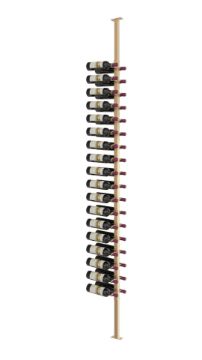
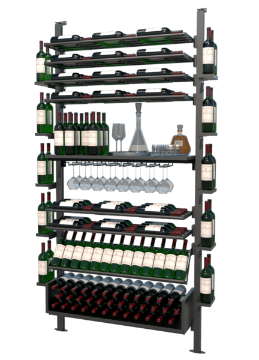
54 -162 Bottles Evolution Single Sided Wine Wall Post Kit 10 3C (floor-to-ceiling wine rack system)
The Single Sided Wine Wall Post Kit 10 3C stores up to 162 wine bottles in remarkable label-forward, modern fashion, creating an industrial chic architectural feature in custom commercial and residential wine rooms.
Quick View
$1,750.00
Buy Now
Add to compare list
Add to wishlist
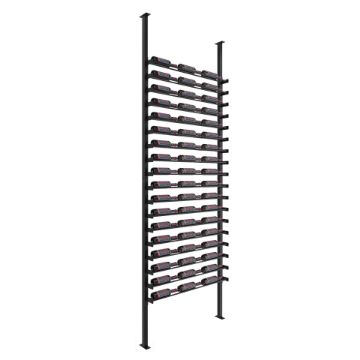
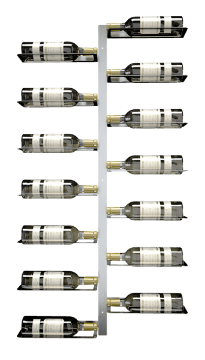
Evolution Wine Wall 45 2C (wall mounted metal wine rack)
The Wine Wall 45 is a 9-bottle tall, 2 bottle wide wine rack that stands on its own as an amazing wall-mounted wine display and can be lined up with other heights to create a custom-sized display to fit your space.
Quick View
$439.00
Buy Now
Add to compare list
Add to wishlist
Modulo-X - MX-DC440 -EX - Extension - Configuration D - 40 Bottles
Create a unique room with the MX-DC440-EX . Add an extension module to your starter module to create a unique room. With a capacity of 40 bottles.
Quick View
$2,340.00
Buy Now
Add to compare list
Add to wishlist